


Picking the right spa suite or treatment room can make or break your business. Rent too high, and you’re scrambling just to break even. Pick a space with thin walls, and every facial or massage comes with a side of blower noise or hallway chatter. Location, rules, and what’s included or left out also decide whether you actually profit or just grind. Below, Salon Renter walks you through the hard questions estheticians, massage therapists, and wellness pros need to ask before they pay for any booth rent, suite, or salon chair.
What’s the Real Cost of That Spa Room?
Let’s get right to it. Rental rates for spa suites and esthetician rooms swing wildly based on city, zip code, and whether the space is in a big name suite or someone’s converted back room:
- NYC, LA, Miami Beach: $350–$650/week for private spa rooms. High-end suites: $500–$800/week.
- Austin, Denver, Atlanta, Seattle: $250–$450/week for a private room.
- Suburbs (San Antonio, Tulsa, Raleigh): $175–$325/week typical.
- Room inside an existing salon: Often $125–$250/week, but you trade privacy and branding.
That’s per room, per week. If you’re a salon or spa owner with empty space, each unfilled chair or suite can bleed $400–$800 per month in lost revenue. We see this all the time on Salon Renter—owners often don’t realize how fast those lost weeks add up.
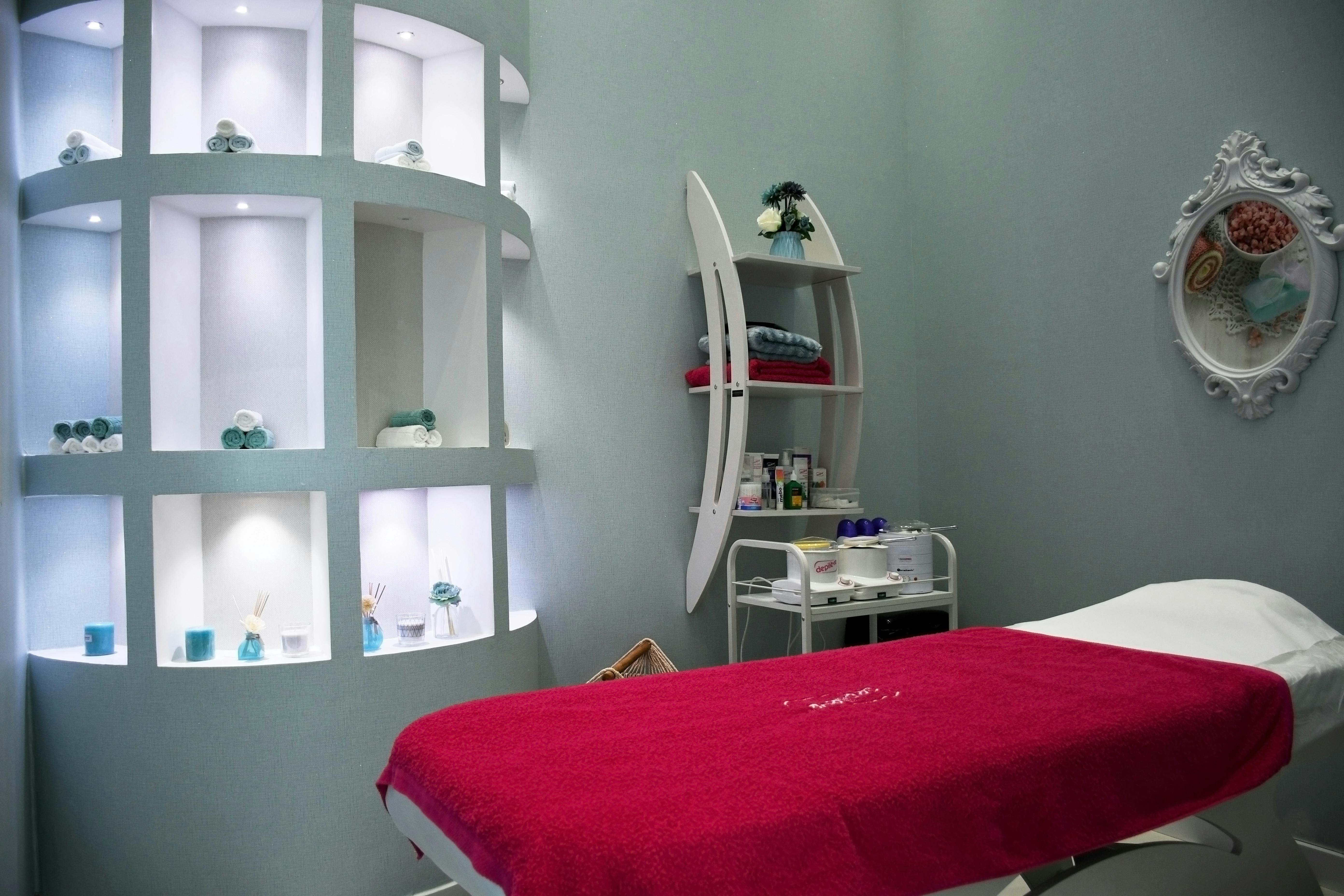
How Suite Rent Compares to Commission
If you’re moving from a split (like 60/40) to renting a treatment room, run the real numbers:
- Commission splits: Usually 50/50 for newbies. Some rooms do 60/40 or 70/30 if you have a following.
- Example: 20 facials at $120 = $2,400/week. On a suite at $300/week rent, after supplies ($360 at ~15%): $2,400 – $360 – $300 = $1,740/week take-home.
- If you did that on a 50% split, same clients: $2,400 x 50% = $1,200. Big difference.
The catch: if you can’t keep at least 70% of your usual clients, or if overhead gets sneaky, a suite might backfire. Always run side-by-side math based on your real books. If you want full breakdowns, see our post on Booth Rental vs. Salon Suite vs. Chair Rental.
What’s Really Included in the Rent?
Never judge by move-in price alone. Suites can look equal on paper but hit you with extra fees later.
- Always ask what’s included:
- Utilities (water, electric, trash)
- Wi-Fi
- Washer/dryer access
- Cleaning of common areas
- Parking (yours and clients’)
- Online profile on building website
- Estheticians: Is the sink in your room or a hike down the hall? Is lighting dimmable?
- Massage therapists: Do you have independent temperature control? Are sound machines allowed?
- Hidden extras:
- Coin laundry fees
- Monthly cleaning surcharges
- Wi-Fi upcharges
- Required front desk or software charges
Example: Two $300/week rooms. One has all utilities, Wi-Fi, laundry included. The other adds $165/month in extras. After a year, that’s almost $2,000 more in real costs.
Want to see actual lists? On Salon Renter you can filter for included amenities so you don’t waste time touring rooms that won’t work.
Privacy, Sound, and Layout: Non-Negotiables for Spa Work
Relaxation services need real separation. Here’s what experienced pros check:
- Do walls go all the way to the deck/sturdy ceiling—or are there open vents for sound to leak?
- Are you next to a blow-dry bar or noisy nail station?
- Floors: tile transmits noise; carpet softens it.
- Doors: solid core, not hollow.
During tour, stand still for three minutes—really listen. Visit during their busy times. Don’t accept “it’s usually quiet” as an answer. For deeper tips, check our guide on massage room privacy and soundproofing.

Location and Walk-Ins: Do You Actually Need Foot Traffic?
For spa and wellness work, most clients now come by appointment, referral, or Instagram—not from street walk-ins. You pay extra (sometimes 20–40% more) for the fancy strip mall location. For many estheticians and massage pros, quieter office or medical buildings are a better fit and easier on the budget.
- Main road/retail: More visibility, but pricey rent.
- Office or medical: Quieter, sometimes better privacy and hours.
- Inside existing salon: Cheaper, but you may sacrifice noise control and brand vibe.
Your decision: If your calendar’s always online/prebooked and reviews drive referrals, don’t feel pressured to pay a premium for retail frontage.
Room Size, Flow, and How Many Clients You Handle
Space isn’t just about square footage, it’s about flow. Can you move around a massage table? Do clients squeeze past your rolling cart? Here’s what actually works:
- Small room: 8×8’ (64 sqft) – tight for full-service esthetics.
- Standard room: 10×10’ (100 sqft) – sweet spot for most spa work.
- Large/multi-use: 10×12’ or 12×12’ – if you need retail shelves or multi-service set up.
For most, 90–120 sqft is ideal. Bonus: A slightly bigger space sometimes means you can stagger more clients (add one or two a day), which easily covers that extra $50/week in rent.

Building Hours, Access, and Rules Matter
Will you be stuck if you want to work Sunday nights? Some buildings limit access. Always check these before you sign:
- 24/7 access: Crucial for flexible hours or last-minute clients.
- Security: Does it feel safe after dark? Is there parking close by?
- Guest policy: Can clients bring a guest? What about minors?
- Retail rules: Can you sell your own products, or must you stock theirs?
- Branding: Can you hang your sign, or is it generic?
These little details often signal how “pro independent” a suite location really is.
Referrals and Community: Who’s Next Door?
Suite rental isn’t all about the space. The tenants next door often decide your fate.
- Estheticians: Next to hair stylists, lash techs, nail techs? Good—clients cross-refer. One busy colorist can fill half your book if she likes you.
- Massage therapists: Are there chiropractors, trainers, or wellness offices nearby?
On your tour, ask how many rooms are full and what services are in the building. Empty buildings with no energy are a real risk—even if the price looks right.
Lease Terms, Deposit, and Move-Out Rules
Always read the fine print. Key points to check:
- Lease type: Month-to-month (higher weekly rent, max flexibility) or 6/12-month (locks you in but costs less per week)
- Security deposit: Usually 1–4 weeks’ rent upfront
- Exit rules: Is 30-day written notice enough? Are there penalties?
- Room change policy: Can you upsize/downsizing without starting over?
For your first independent suite, we recommend taking shorter, lower-risk terms. That lets you test out client retention and expenses before signing a yearlong deal.
If you want more on lease negotiation, see our booth rental agreement breakdown.
Objections You’ll Hear—and How to Respond
- Rent feels high: Does the bigger, better suite let you add even three more $100 services a week? Sometimes, “expensive” pays off fast.
- Cheap building, rough area: Low price can cost more through no-shows and image problems. Check the parking lot and walk the lobby before falling for photos.
- Afraid to leave commission model: Run numbers at 60% of your current book. If your pay still works, you’re set. Many renters wish they’d switched sooner.
Always run your numbers straight—avoid hype or guesswork. Bring up these points in your tour and with your peers.
Step-by-Step Checklist: Comparing Spa Suites the Right Way
- Make your non-negotiables list: square footage, noise, parking, accessible hours.
- Set a hard weekly rent cap (ideally, 25–30% of expected weekly revenue).
- Pull 5–10 real options from Salon Renter. Filter by price, amenities, suite type, and location.
- Narrow it down to three favorites—skip spaces that break your must-haves.
- Tour during peak hours so you see/hear the true environment.
- Calculate your weekly profit using your actual average service ticket, not the landlord’s estimate.
- Review the lease top to bottom—check rules, exit fees, and deposit.
If you need an even deeper checklist before touring, we recommend this practical touring checklist.
What to Do Next: Action Steps
- Ready to compare real suites? Go to Salon Renter and create your free account. Searching is free for renters—filter by your needs and save your favorites.
- Salon or spa owner with empty rooms? List your room on Salon Renter. Basic and Featured spots are available so your space lands in front of serious estheticians, massage pros, and wellness renters.
- Always contact owners, clarify “what’s really included,” and ask for a tour at your real working hours.
FAQ: Spa Suite Rentals—What Pros Actually Ask
How much should I expect to pay for a spa suite in a major city?
In big metro areas, private spa rooms or esthetician suites often range from $350 to $650 per week. Top-tier suite buildings or prime retail areas can be $500–$800. Inside a standard salon, rooms are sometimes less.
What’s better: commission or suite rental?
If you bring at least 70–80% of your book and can control supplies, a well-priced suite usually beats even a 60% commission split. Always do the math for your services and client count.
What do I do if the space looks perfect but has bad noise?
Request a tour when the building is busy, and listen for blow dryers, voices, or hallway traffic. If you need spa-level quiet, avoid spaces with thin walls or noisy neighbors.
Do most spa suite rentals allow product retail?
Many suite setups are independent and let you sell your own product lines, but always confirm. Some chains or building owners have preferred lines or take a cut of sales, so read your lease.
How do I know what’s really included?
Ask for a detailed list. Major items: utilities, Wi-Fi, laundry, parking, cleaning, website listing, guest policy. Uncover extras before signing.
Can I get alerts when new suites are listed in my area?
Yes. On Salon Renter, renters can set up location-based alerts for new listings matching their preferences.
How does Salon Renter help owners fill empty spa rooms?
By listing on Salon Renter, owners tap into thousands of estheticians, massage therapists, and wellness pros actively searching for space. Listings get exposure through SEO, social, and industry channels.
Conclusion
No one wants to feel stuck in the wrong suite once the honeymoon fades and the bills hit. Treat the spa suite search like a smart business move: run the math, tour with open eyes and ears, and put your needs ahead of picture-perfect finishes. Most pros find their best fit using a platform like Salon Renter, where you see side-by-side options and can talk to verified owners before you ever sign. Set your must-haves, compare real numbers, and pick the space where you’ll actually thrive behind the chair or at the table.
If you’re ready to get serious, start searching or list your suite today. Don’t let an empty room drain your pockets or an overlook cost you months of stress.


