


If you own a salon, spa, or beauty suite and you’ve got an empty massage room sitting idle, you’re leaving $400 to $800 a month on the table. Renters walk away fast from rooms with thin walls, no laundry, or chaos near the front. If you want to fill that space with a steady massage therapist, you’ve got to get the basics right: soundproofing, laundry, and client flow. Here’s what really matters—and how the top owners keep their rooms full and renters happy for good.
Why Soundproofing Is a Deal-Breaker
Let’s be blunt: nobody wants a massage next to a hair dryer, busy shampoo station, or a crying kid in the lobby. Most renters will tour, hear the noise, and ghost you for good. Even if you fill the room, bad soundproofing means complaints, no-shows, and short leases.
- Most renters will actually test for sound before signing. If they can hear next door’s conversation, they’ll leave.
- Fix it cheap: install a second layer of 5/8-inch drywall on both sides of shared walls with Green Glue compound in between. This knocks down 50-60 decibels—enough to muffle most salon noise.
- Add mass-loaded vinyl behind baseboards or under carpet for even better sound results, around $2–3 a square foot. It’s not just for high end spas—it works in any booth rental setting.
Here’s a straight example: In Austin, a 4-chair salon typically charges $200-350 per week for each booth. But a soundproofed massage suite can jump up to $350 or more, simply because the space lets therapists stay booked without constant distractions and complaints.
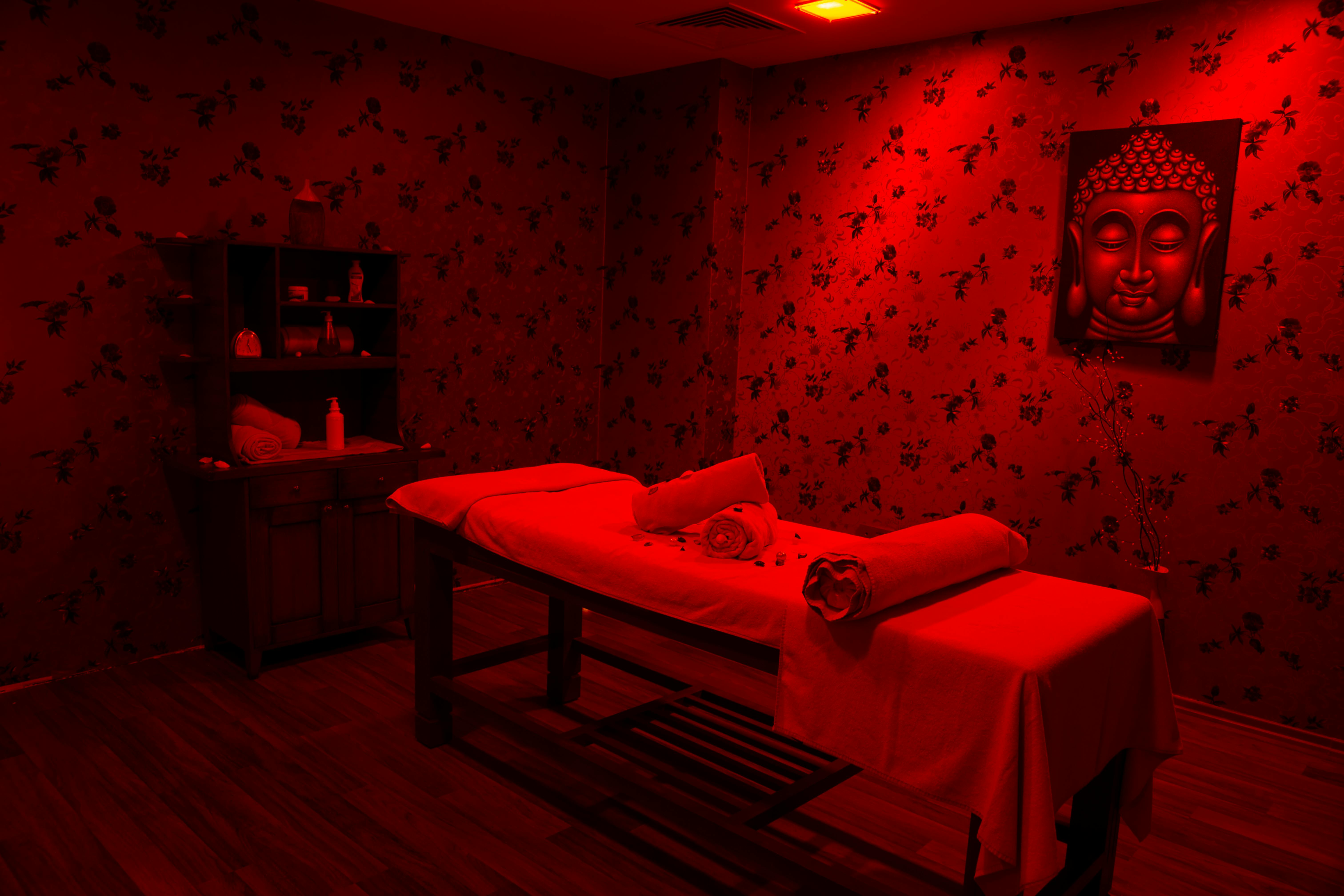
Don’t Skip Laundry—It’s a Core Requirement
The quickest way to scare off massage renters? No on-site laundry. Health codes require fresh linens for every single client, and therapists go through 10-20 towels a day. Shared laundry isn’t good enough, either—nobody wants to argue over wet sheets or wait for the only machine.
- Run a 220-volt line and vent for a stackable washer-dryer. All you need is a 3’x3’ utility space. Expect to spend at least $800 on a basic setup. It pays back fast—vacant rooms mean $600–1,200 in lost rent per month.
- Stock a commercial-grade washer (about $300) that can handle big loads without jamming up.
- Give pro renters a private, key-locked linen cabinet so nobody’s fighting for clean towels during a Saturday rush.
- Always require renters to disinfect after every load. Health inspectors check this. Mess up once, and your room might get shut down.
We’ve seen spa owners in Miami lose $600 a month on empty massage rooms, only to fill them overnight after adding dedicated laundry. Therapists simply won’t sign if this isn’t up to code—even if your rent is low.

Nail Down Client Flow—Don’t Back Up Your Lobby
Here’s where most salons trip up: they route massage clients through the same waiting area as hair and nails. Next thing you know, clients are bumping into stylists, waiting too long, or walking out. Massage therapists want peace—and their clients want quick, private entry.
- Separate entrance: Add a side door with a keypad lock so massage clients don’t block up your main area. Simple code-based access lets renters control their own schedules.
- Create a waiting nook: A 6×6-foot vestibule with two chairs and a tea station meets most demands without breaking the bank. Coat hooks or a cubby system help keep it tidy even when you’re slammed.
- Code issues: Never install beds or sleeping quarters—health codes everywhere ban this. Stick to daybeds zoned well away from treatment areas if renters request them.
Some cities (like Manville, NJ) require fire marshal approval for any renovation that affects client access. Always check your local rules before changing the floorplan. Getting this right will fix rental churn and keep all your renters happy—no one wants their client flow mixed with another busy station.
Legal & Health Musts—Don’t Lose a Renter Over Missing Paperwork
If your city inspector pops in and you don’t have the right paperwork, your new renter is gone overnight. Every town can be a little different, but here’s what basically every owner needs before renting out a massage room:
| Requirement | Details | Average Cost |
|---|---|---|
| Building Inspection | Health, fire, and zoning clearance. Minors must have parent approval for appointments. | $250 application fee |
| Insurance | Renters carry $2M liability, naming you as additional insured. | $50–100/month extra |
| Lease Approval | Get the landlord’s written okay if you lease your space. Read for sublet clauses to avoid trouble. | Free if you’re careful |
| Massage License | Every therapist needs a valid state license. Some states also require the salon or spa itself to have a permit. | $100–300/year |
Display these permits at the massage room door. Some New Jersey towns fine owners $1,000 for missing paperwork—that’s more than a month’s lost rent.
Common Objections From Renters (and How to Fix Them)
- “Walls too thin”—Install foam panels (about $1.50 per square foot) or add drywall. Most renters won’t care about paint, but they do care about noise.
- “No laundry”—No workaround here. Add a washer, and you’ll raise rent by 30% overnight because therapists stick around.
- “Clients have no privacy”—Give private access or a small waiting nook. Even a minimal side entry wins here.
- Example: A salon in Chicago added private laundry and better soundproofing. They filled two massage rooms immediately, bringing in another $2,000 a month that was being lost before.
Step-by-Step: Setting Up a Massage Room to Rent
- Walk your space like a renter: Stand in the empty room, close the door, and listen. If you can hear everything next door, you need better soundproofing.
- Check your utilities: See if you have hookups for laundry and space for a stackable washer. No room? Creatively carve out space in a closet or corner.
- Review code and permits: Call your city health department before listing. Don’t skip this—requirements can change city to city.
- Write a clear booth rental agreement: Protect yourself and your renter with clear policies on laundry, cleaning, noise, and how client flow will work.
- Market smart: Use professional, clear photos. On Salon Renter, renters filter by laundry, soundproofing, and private entry. Listings with these features get more tours and fill faster.
Best Practices for Salon and Spa Owners
- Keep your rental agreements updated—protects you if something goes sideways.
- Respond fast to renter interest or questions (text, email, or app notification). The best rental platforms like Salon Renter offer direct owner-renter messaging.
- Use analytics to track which amenities renters care about. On Salon Renter, booth and suite amenities can be filtered, making it easier to see what gets booked most.
Want more detailed tips about rental agreements or space setup? Check out our guides like Salon Booth Rental Agreement Breakdown: What to Negotiate Before You Commit or Salon Space for Rent Checklist: Plumbing, Ventilation, Power, and Permits Before You Tour.
What to Do Next—Action Plan
If you’re sitting on an empty massage room or thinking about making your space more attractive to renters, start by checking your soundproofing, laundry, and flow right now. Fix these first before listing. Don’t wait until another month goes by with an empty station behind the chair.
- Tour your own space and take honest notes on each weak point.
- Price your rentals based on real, local market data. (Soundproofed rooms in bigger cities can command higher rent.)
- If you’re ready to list—or want to see what other owners are offering—use Salon Renter to compare, tour, and connect with qualified renters fast. Listing is free for owners. Pro renters get details on amenities, direct messaging, and verified spaces across the US.
Over 12,000 salon pros have already found or filled spaces using Salon Renter. Get your empty rooms earning again, or find a spot that checks every box if you’re a renter looking for your next home base.
FAQs: Massage Room for Rent Requirements
What’s the minimum soundproofing I need for a massage room?
Most renters expect at least two layers of drywall or heavy sound panels on any shared wall. You should aim to block common salon sounds like blow dryers, conversations, and music.
Can I rent out a massage room if my salon doesn’t have on-site laundry?
It’s possible but difficult. Almost all massage renters require private or at least dedicated laundry access. Rooms without it get skipped and often sit vacant for months.
How do I keep client traffic from crowding out my main salon area?
Offer a private or separate entrance for massage clients, or carve out a waiting nook away from the main lobby. This stops bottlenecks and keeps all renters happy.
How much can I charge for a well-equipped massage room?
Pricing depends on your city, but a soundproofed, laundry-equipped suite often commands $300–$400 per week in busy markets. Lacking these features may drop your room to $150–$200 or less.
What permits and insurance do I need before signing with a renter?
You’ll need building, health, and fire inspections, valid state massage licenses for all therapists, and rental liability insurance naming the salon owner as additional insured.
If you’re serious about filling empty space or finding your own private room that’s quiet, clean, and compliant, browse or list today at Salon Renter. Quality renters and owners meet fastest where the details come first.


