


Most beauty pros and salon owners focus on rent, but that’s only half the story. If you stop at the base rent, you’ll get caught off guard — CAM fees, utilities, build-out costs, and personal guarantees can add hundreds or even thousands to your monthly total. Missing these extra costs is where many up-and-coming stylists and new shop owners burn through savings or run into lease trouble. If you run a salon, rent a chair, or are looking for a suite, you need to know exactly what you’ll really pay before you sign.
What’s Actually Included: Beyond the Base Rent
The rent for a booth, suite, or full salon is just the starting number. Here’s what else you’ll run into when you lease salon space:
- CAM fees (Common Area Maintenance) – charge for things like lobby cleaning, parking lot upkeep, trash, water, and sometimes property tax or insurance.
- Utilities – electric, water, gas, HVAC, trash pickup, and even internet are often extra.
- Build-out Costs – upfront work to get stations, plumbing, and walls right for behind-the-chair work.
- Personal Guarantees – lease terms that put your own savings or assets on the line if your business can’t pay.
Salon Renter sees this mistake all the time: stylists get lured in by a low rent number, then realize fees and hidden bills push their real payments 20 to 40 percent higher by the time they’re actually behind the chair.

CAM Fees: The Extra Monthly Bill Most Stylists Don’t Catch Upfront
In most commercial leases, especially in strip malls or beauty spaces that have multiple tenants, the landlord passes through shared building costs as CAM (Common Area Maintenance) fees. On paper, these may range from $2 to $8 per square foot per year. For a 1,200-square-foot salon, that’s $200 to $800 every month — just in CAM. If you’re only looking at rent, you’re missing what it really costs to operate each chair or station.
- CAM usually covers: parking lot snow removal, window washing, security, landscaping, lighting, water for public restrooms, and admin costs.
- Fees might rise year to year, especially if there’s no cap. Ask in advance if there’s a cap, or you could get hit with surprise hikes halfway through your lease.
- Landlords use different billing methods: some bill an average monthly amount, some true-up at year-end and send a lump sum — both matter for your cash flow.
Salon Renter recommends you always request the current CAM budget and at least two years of past reconciliations before you agree to anything. Don’t sign blind, or you might pay for the building’s broken elevator or a leaking roof you never use.
How CAM Fees Affect the Real Cost of Booth and Suite Rentals
Say you rent a suite listed at $1,200/month. If CAM is $300/month and you didn’t factor it in, that cheap suite just got a 25% price jump. For an owner with four empty chairs in Los Angeles, each chair left empty usually means $400-$900 a month in lost revenue, plus CAM and utilities for space you’re not using. If you’re not pricing CAM into your booth rent, you’re losing money every week.
Utilities: The Cost Nobody Talks About Until the Bill Shows Up
Salons use much more electricity and water than a dry office or retail shop. Between blow dryers, hot water for clients, towel warmers, laundry, and esthetician gear, utilities can quickly eat up your profit if not included in your lease.
- Some owners include basic utilities in rent, but not always. Ask what’s actually covered before you move in.
- HVAC: In hot climates, air conditioning can top $200-$500 extra a month in the summer if you pay for your own unit. Find out if HVAC is metered separately or split between tenants (many are split).
- Water: Shampoo bowls, color rinses, pedicure chairs, and laundry all add up fast. Ask if there is a sub-meter.
- Trash, recycling, and even bio-waste (salon chemicals) — often billed separately for larger salons.
Salon Renter’s advice: Get a sample utility bill from the last renter or the landlord. Never guess. If the owner can’t show you a bill, that’s a red flag.
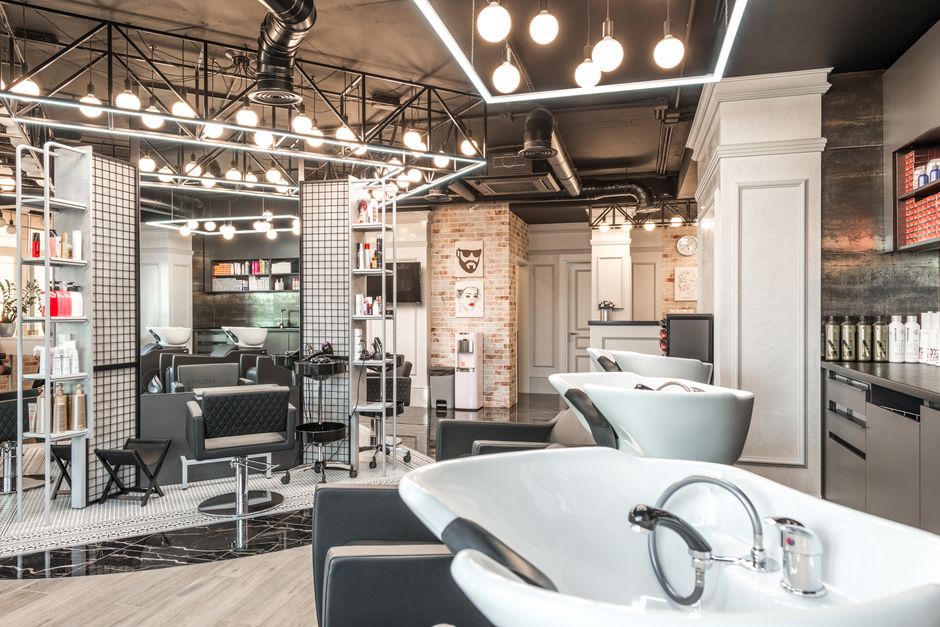
Build-Out: Where Cheap Salon Leases Get Expensive Fast
Even if you land a “cheap” lease, you can break your budget if the space isn’t salon-ready. Build-out costs hit hard when a new suite or booth needs:
- Plumbing rough-ins for shampoo bowls or pedicure chairs
- Extra electrical work for dryers, color processors, or esthetician machines
- Walls or dividers for privacy
- Flooring, mirrors, lighting upgrades, and reception setup
- ADA or health code changes for compliance
Imagine you sign a five-year lease at $2,500 a month, but you spend $24,000 building out. If you borrow or finance that, it’s about $400/month extra, making your true monthly payment $2,900 (not counting CAM and utilities). For a full breakdown of costs you’ll see in a salon suite, check out our Salon Suites for Rent Near Me guide.
Personal Guarantees: What Every Salon Owner Should Watch For
When you sign a lease as a new beauty pro or first-time shop owner, landlords usually ask for a personal guarantee. That means if your business can’t pay, they can come after your personal savings, cars, or other assets. Small LLC or no business credit? You’ll almost always see this clause.
- Full guarantees cover every penny, even if you close mid-lease.
- Some leases have good-guy clauses or caps — for example, your liability ends after three months’ rent if you give proper notice and leave the space clean.
- Always ask what is negotiable, and have a clear understanding before you sign.
Salon Renter sees stylists ignore this detail and end up owing money long after leaving the shop. If you want to dig deeper on deposits and what’s refundable, read our article on Salon Suite Security Deposits.
What Salon Owners and Renters Should Do Before Agreeing to a Lease
- Always ask for the real total cost — base rent plus CAM, utilities, any extra charges, and a realistic build-out estimate.
- Compare at least three different spaces, and use real numbers from listings or past bills, not just what the landlord says.
- For booth and suite owners: advertise your booth with the total cost breakdown. Listing only the rent makes pros walk away when surprise fees appear later.
- Renters: Write down each item — rent, CAM, utilities, insurance, parking, and loan payments — and check if your weekly chair income covers it year-round, not just in busy season.
Empty chairs cost owners real money. If you have three vacant stations in Dallas, expect $1,200-$2,400 gone every month in lost booth rent and shared expenses. Listing on Salon Renter makes it easy for qualified beauty pros to find your booth or suite, see real costs, and reach out right away.
Best Practices for Lease Terms — What Experienced Pros Look For
- Never commit without seeing the full lease and a sample monthly bill, including all costs (not just rent).
- Ask about CAM caps, utility splits, and build-out contributions — try to get these in writing.
- Be clear on the personal guarantee. Negotiate limits on your liability where you can.
- If something is “included,” make sure it’s spelled out in the agreement, not just a handshake or promise.
- Use platforms like Salon Renter to preview spaces by price, amenities, and total cost estimate. Many pros find reviewing listings side by side makes hidden fees easy to spot.
FAQ: Salon Lease Costs, CAM, Build-Out, and Guarantees
What are CAM fees, and why do they matter for salon rentals?
CAM stands for Common Area Maintenance. These are fees your landlord charges beyond rent to cover things like building cleaning, parking lot repair, and shared utilities. On a small salon, CAM fees can add up to $200–$800/month, depending on your square footage and the building’s total costs. Always factor these in or your real costs will be higher than expected. Learn more in our booth and suite pricing guide.
For booth renters: Do I still pay CAM and utilities?
Yes, often you do. Even for chair or booth rental, there can be a share of CAM and utilities, depending on your agreement. Some owners roll it into your weekly rent — some bill extra at month-end. Always ask for an all-in number before you start behind the chair.
What’s a typical utility bill for a salon?
Utilities can be a big expense in busy salons. Small suites might run $100–$200/month if you work part-time, or $300–$600/month in larger shops with lots of hot water, dryers, and laundry. Always check if utilities are split or metered directly to your station or suite before you agree.
How much does salon build-out usually cost?
Build-out can range from a few thousand dollars for simple wall paint and mirrors, up to $20,000 or more for plumbing, electrical upgrades, and setting up esthetician rooms. Always ask what’s salon-ready, what needs building, and who pays for each item.
What is a personal guarantee, and why is it risky?
It’s a lease term making you personally liable if your business can’t pay the rent. Even if your LLC closes, the landlord can chase your personal assets for what’s owed. Negotiate caps or good-guy clauses if possible, and understand what you’re risking before you sign.
How can I avoid surprises when renting a salon suite or booth?
Always see the full lease, a recent monthly bill, and outline of any upfront build-out costs. Use platforms like Salon Renter to compare spaces by total monthly outlay, not just listing price.
What Should You Do Next?
Don’t just grab the first affordable-looking chair rental, booth rent, or suite. Write down every ongoing and upfront cost: rent, CAM, utilities, insurance, and any build-out or move-in charges. Check if your average week behind the chair covers your true monthly number year-round — not just when your book is full. For owners, list the total monthly cost when marketing empty stations. Pros want transparency, and they’ll pick listings where costs are clear.
If you’re ready to find your next suite or need to fill empty chairs, head to Salon Renter. Our platform is built by beauty pros, for beauty pros, so you see real numbers and can make the move with confidence. Get clear about what you’ll really pay — and keep more of what you earn every month.


