If you are searching salon room rentals, you usually want a closed (or mostly closed) workspace where you can serve clients without working on an open salon floor. A “room” on a listing is not always the same thing as a full salon suite, and it is not a booth. It is a private or semi-private treatment space that hosts often market to estheticians, lash artists, massage therapists, and other pros who need a door, quiet, and a table more than a shared styling station.
This guide answers the room query first, separates room vs booth vs suite in plain language, names who actually rents rooms, gives a tour checklist, and shows dated Spaces inventory from the keyed cities API so you can browse live markets instead of guessing from city landings alone.
What Are Salon Room Rentals?
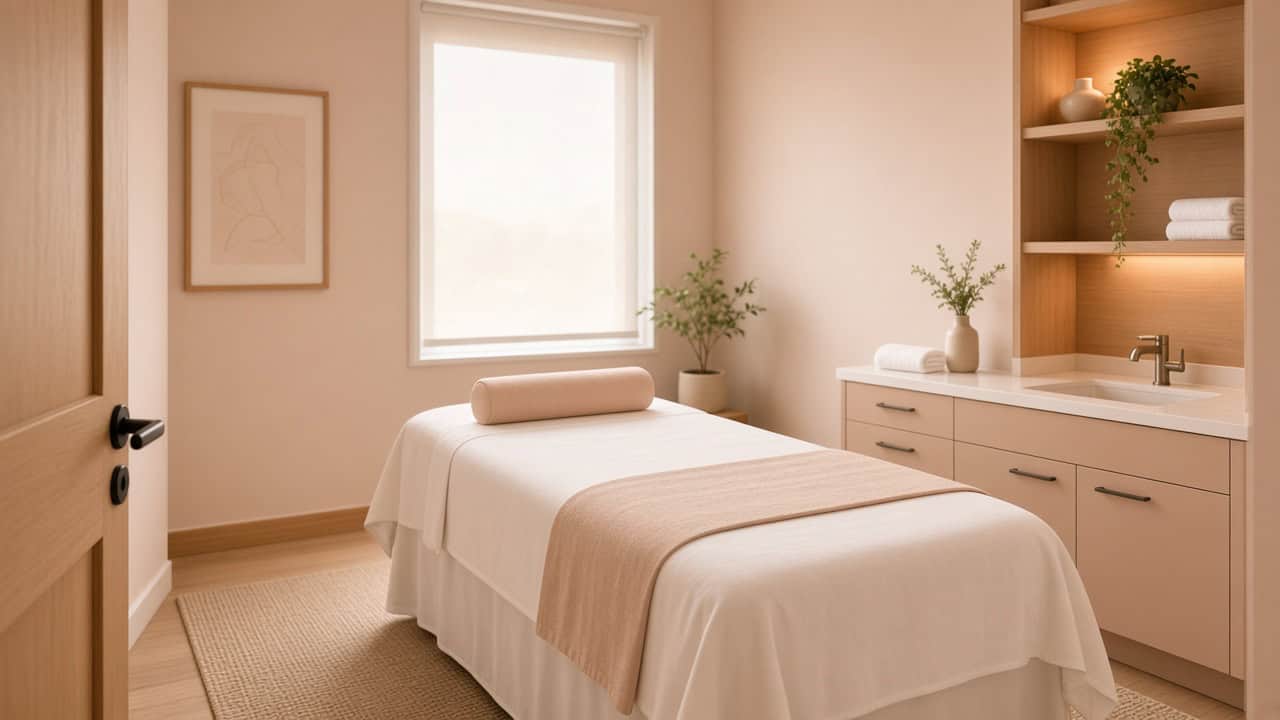
Salon room rentals are private or semi-private spaces inside a salon, spa, suite building, or wellness clinic that an independent licensed professional rents by the week, month, day, or (less often) hour. On marketplace listings here, a room is typically a locked or door-closed space that may not include every amenity a full suite markets (for example an in-room shampoo bowl). Hosts often use the room label for treatment-style setups: a table or bed, storage, lighting you can soften, and enough quiet for skin, lash, wax, massage, or similar services.
That definition matches how the Help Center explains space types: a suite is a private self-contained room with more independence; a booth is a station on a shared floor; a chair is the simplest station unit; a room sits in the private/semi-private middle and is commonly listed for lashes, esthetics, and massage. Full-salon rentals are a different commitment entirely.
In search results, “salon room rentals” also overlaps with city pages and individual property pages. Those landings can help you find a local address, but they rarely teach you how to read the label. A dedicated content URL should make the trade-room choice clear before you message an owner.
Private Room vs Booth vs Suite
Use the privacy and buildout test, not the marketing adjective on the photo.
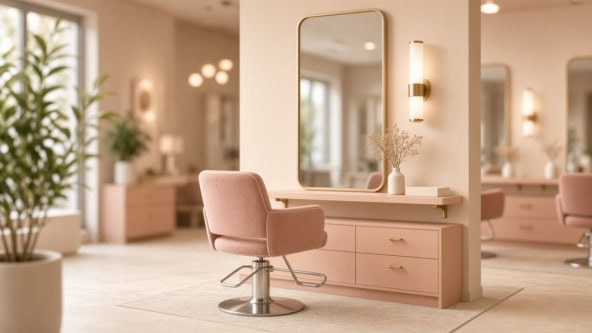
Booth (or chair / station). You rent a designated station on a shared salon floor. Mirrors, shampoo bowls, and waiting areas are usually communal. Overhead is often lower. Privacy is limited. Hair, barber, and blowout services fit this layout when clients expect salon energy and walk-in buzz.
Private room. You get walls and a door (or a strongly separated bay). The room may be inside a multi-chair salon, a day spa, a medspa, or a suite hallway. Plumbing, furniture, and HVAC quality vary widely. Many rooms are set up for table work rather than a full hair wet station. Rent sits between booth and premium suite pricing in many markets, but the range is listing-specific. Confirm unit (day / week / month) and inclusions on every tour.
Salon suite. A lockable, self-contained room designed as your mini business: stronger branding control, often more square footage, and frequently a bundled amenities package. Suites are the most independent option and usually the highest weekly ask. Browse current suite inventory on the salon suite rental hub when you already know you need full lockable autonomy.
Studio. On many listings, “studio” behaves like a suite inside a building purpose-built for independent pros. For the deeper studio label, see the existing explainer on salon studio rental vs suite or booth (different URL and keyword; this NEW post does not rewrite that page). For a short suite-vs-booth decision frame, use booth rental vs salon suite.
Quick chooser:
- Need open-floor energy and the lowest overhead? Start with booth / chair.
- Need a door for client privacy, but not a full suite buildout? Prioritize room listings and ask what is included.
- Need lockable branding control, your own hours culture, and a self-contained setup? Prioritize suite / studio.
Do not invent a national “average room rent” from blog folklore. Price packs for suite and booth asks are separate posts. This page stays on space type and fit.
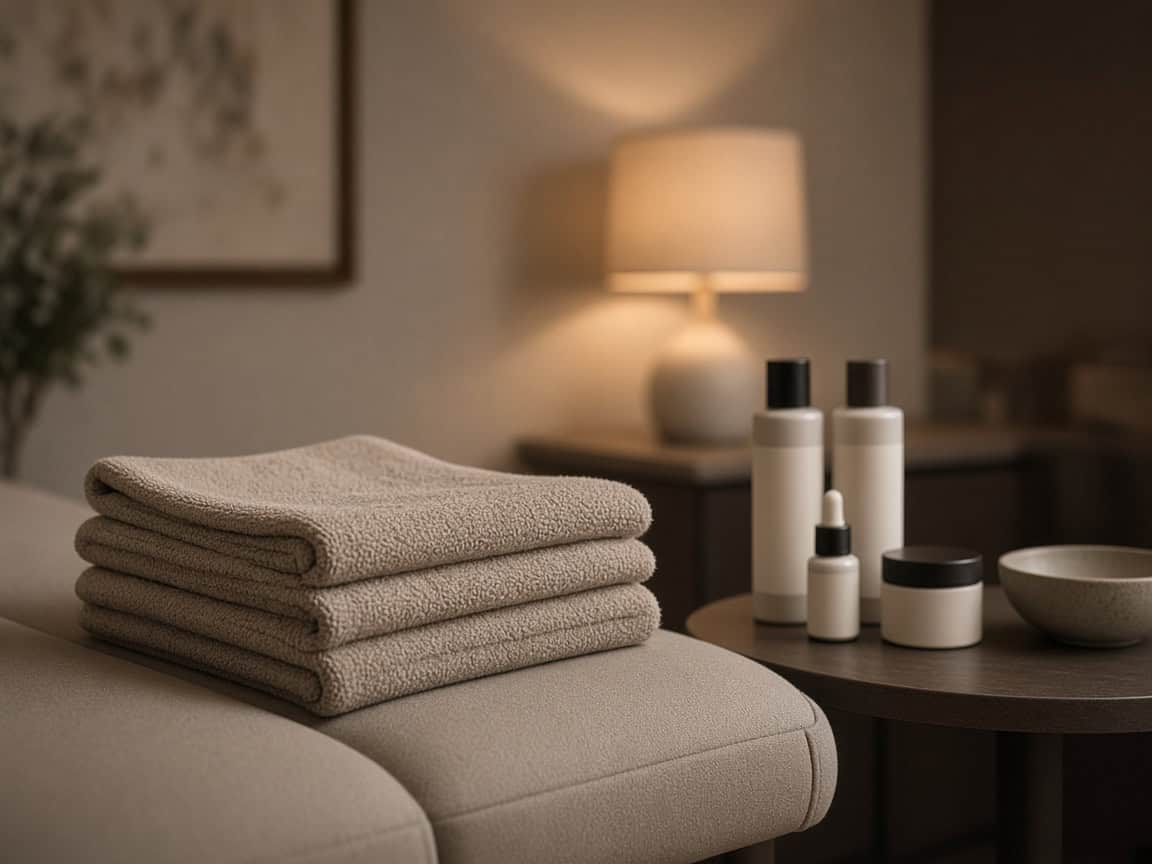
Who Rents Salon Rooms?
Hosts label rooms for trades that rely on privacy, reclined table work, or discreet conversations. Common fits:
- Estheticians doing facials, peels, extractions, or waxing who need a closed door and cleanable surfaces.
- Lash and brow artists who need a flat bed or reclining chair, stable lighting, and quiet so clients can keep their eyes closed.
- Massage therapists who need sound control, table clearance, HVAC that can hold a comfortable temperature, and a path that does not parade clients through a busy hair floor.
- Permanent makeup / microblading artists who need bright task lighting, privacy for facial work, and often a sink or nearby cleanup station.
- Injectables / medspa collaborators (when licensing and landlord rules allow) who need a clinical-feeling private bay inside a compliant host space.
- Nail or makeup pros in cases where the service needs a quieter, more private client experience than an open booth allows.
Hair stylists and barbers sometimes rent rooms too, especially when they want a lockable space without a full suite brand building. More often, hair stays on booth or suite inventory. Match the room to the service: if your clients undress, recline for an hour, or expect confidentiality, a door matters more than a shared backbar.
Also check host fit. A room inside an established spa can bring shared waiting, retail adjacency, and referral energy. A room inside a suite hallway can feel more like your own brand. Neither is automatically better. Tour both if your city has both.
What to Check Before You Rent a Room
Before you sign, walk the space like a client would. Ask every question in writing if the answer affects rent.
- Door and sound. Does the door close fully? Can you hear the hallway, shampoo bay, or music from next door during a quiet service?
- Table and clearance. Will your treatment table, lash bed, or dual setup fit with walkways still clear for emergency egress?
- Sink and water. Is there an in-room sink, a shared cleanup sink, or no wet station at all? For facials, wax cleanup, and many PMU setups, this changes your workflow.
- HVAC and lighting. Can you hold a comfortable temperature with the door closed? Are lights dimmable or layered (overhead + task)?
- Storage and product rules. Cabinets, lockable storage, and any limits on retail displays or scent.
- Access hours and guest path. 24/7 key fob vs host hours; how clients enter, wait, and leave without walking through someone else’s service.
- Inclusions. Utilities, Wi-Fi, laundry, towels, cleaning of common areas, parking, reception coverage. Get the list; do not assume “spa” means all-inclusive.
- Term and deposit. Weekly vs monthly quote, deposit amount, notice period, sublet / roommate rules, and whether day or part-time schedules are allowed.
- License and insurance. Most hosts require a valid professional license and proof of liability insurance before keys. See the guide to beauty business insurance for independent pros and the booth rental agreement breakdown for negotiation prompts that also apply to private rooms.
- Photos vs reality. Measure the room. Confirm which furniture stays. Ask what happens if the host sells the business or renovates the hallway.
If a listing looks impossibly cheap, check the unit (hour / day / week / month), whether the space is shared by shift, and whether the photo is a different room than the one for rent.
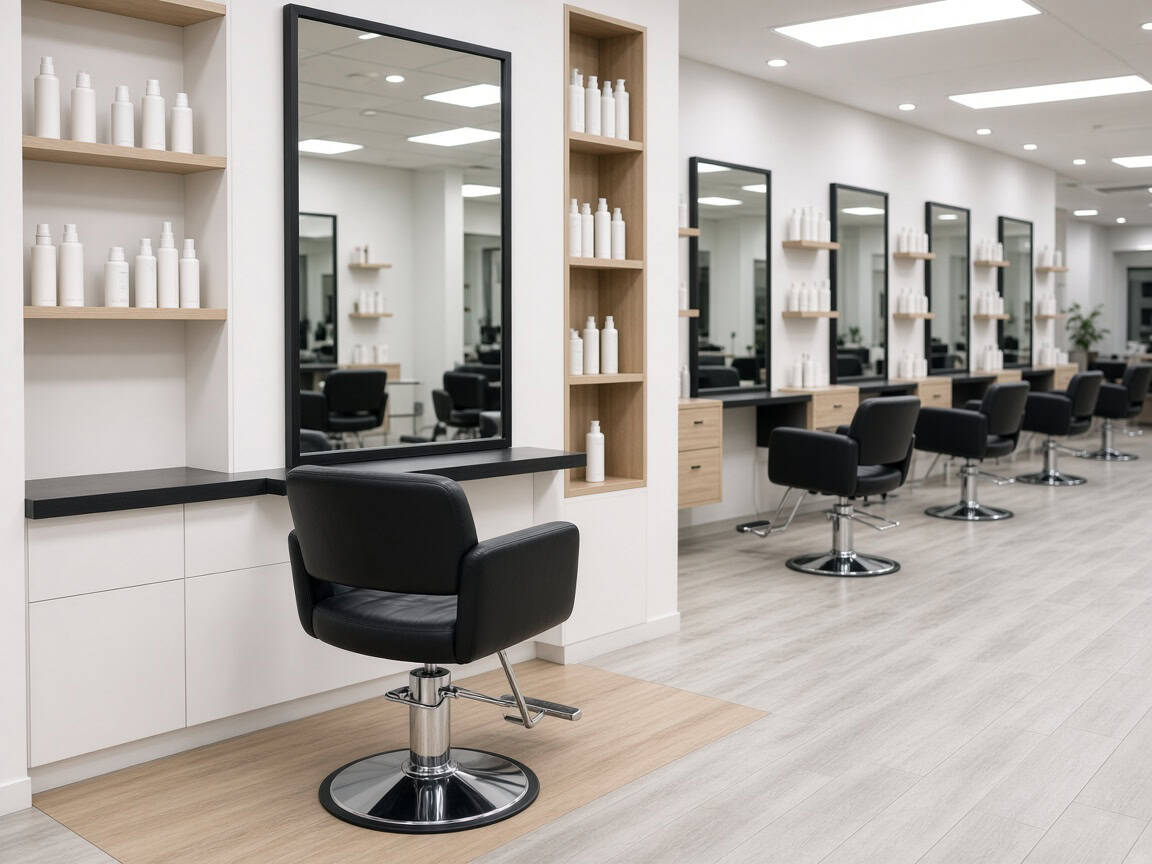
Where to Browse Live Salon Room Inventory
This marketplace lists suite, booth, room, and related inventory nationwide so beauty and wellness pros can message owners and schedule tours. Searching is free for renters. Use city search plus filters for space type and amenities (for example in-suite water, parking, or 24/7 access) when a host has filled those fields.
GSC shows that “salon room rentals” already sends impressions to city and property URLs on this site, not a dedicated content page. A useful next step after reading this guide is to open live inventory in the cities you actually work, then compare a few rooms side by side.
Spaces counts below come from the keyed cities API (25-mile Spaces model). They are listing counts, not invented rent medians. As-of 2026-10-27 19:23 EDT (America/New_York):
| City | Spaces (listing_count) | City page |
|---|---|---|
| Los Angeles | 328 | Los Angeles |
| Miami | 146 | Miami |
| Atlanta | 125 | Atlanta |
| Phoenix | 120 | Phoenix |
| Tampa | 114 | Tampa |
| Denver | 82 | Denver |
| Dallas | 81 | Dallas |
| Orlando | 77 | Orlando |
| Philadelphia | 67 | Philadelphia |
| San Diego | 60 | San Diego |
| Charlotte | 43 | Charlotte |
| Nashville | 19 | Nashville |
Counts move as listings go live or expire. Re-check the city page on the day you tour. For type definitions while you filter, keep Types of Rental Spaces Explained open in a second tab.
When you are ready, start at salonrenter.com, pick your city, shortlist three rooms that match your privacy needs, and message the owners for tours.
FAQ
What is the difference between a salon room rental and a salon suite?
A room is a private or semi-private treatment space that may skip some suite amenities (like an in-room shampoo bowl). A suite is usually a lockable, more self-contained business room with stronger autonomy and, often, a higher weekly ask.
Who typically rents salon rooms?
Estheticians, lash and brow artists, massage therapists, waxing specialists, PMU artists, and other pros who need a door and a quiet client experience. Hair pros more often choose booths or full suites, though rooms can fit some hair niches.
Are salon room rentals always weekly leases?
No. Hosts list weekly, monthly, daily, and sometimes hourly or part-time options. Confirm the unit on the listing and in the agreement before you compare two asks.
Do I need insurance to rent a room?
Most hosts require professional liability insurance and a valid license. Ask what certificates they need before move-in day.
Can I share a room with another pro?
Sometimes, if the lease and landlord allow it and both pros are licensed. Get shared-use rules in writing (schedule, storage, cleaning, guest policy).
Why do Google results for salon room rentals show city pages?
Marketplace city and property URLs often rank for local room intent when no dedicated content URL exists. Use those pages to browse inventory, then use this guide to decide whether a room (vs booth or suite) matches your services.
Should I choose a room inside a spa or inside a suite building?
Tour both if you can. Spas may offer shared waiting and referral energy. Suite buildings may offer stronger personal branding. Fit depends on your clients, not the building category alone.
Next Step
If a private door is non-negotiable for your services, filter for rooms and suites first, then tour with the checklist above. If you are still testing independence on a lower overhead, compare a few booth stations too. Either way, browse live inventory on Salon Renter, message owners directly, and only sign after you have walked the exact room you are renting.