


Working in a packed salon can feel like a grind. If you’re a color specialist, barber, or any beauty pro who deals with interruptions, missing tools, loud dryers, and getting hit with a 40-60% commission split, you already know the pain. Maybe you’re also tired of juggling schedules, waiting for a chair, or losing privacy with every walk-in and break-room convo. Going solo in a private salon suite flips that script. You get your own four walls. You keep what you earn. It’s quieter. You make the rules. But is it really right for you?
Who Actually Needs a Private Salon Suite?
Most stylists and barbers start with a chair rental or booth rent. But for many, sharing space kills productivity. Here’s who a suite serves best:
- Colorists & Specialists: Mixing, processing, and client timing can’t be interrupted by someone grabbing your developer or chatting nearby. Suites mean you control your color lab and client flow.
- Barbers with a Booked-Out Schedule: If you’re cutting more than 20 heads a week and rebooking regulars, it gets old splitting income with an owner. In a suite, you take all the cut—no commission, just a set monthly rent. You set your hours and your prices.
- Lash, Esthetic, or Spa Pros: If your client is relaxing with their eyes closed, privacy is non-negotiable. Suites give you true separation—no dryers or clippers making noise mid-service.
- Multi-Service Pros: Doing hair, nails, waxing, brows, or makeup in one spot simplifies inventory, equipment, and branding. No bouncing between stations all day.
The Numbers: What You Really Pay and Take Home
Let’s talk real money—what you pay and what you keep. Here’s a practical look at the numbers for private suites versus standard booth rental:
- Commission at traditional salons is usually 40-60%. On $4,000 a month gross, you keep $1,600 to $2,400 and may still have to buy your own supplies.
- Private suite rent:
- Small market: $400-$800/month (basic suite, maybe no windows or frills)
- Mid-tier city: $800-$1,500/month (utilities, WiFi, basic furniture)
- High-end, busy location: $1,500–$2,500+ (fancy amenities, prime address, lots of foot traffic)
- Other costs: Insurance ($40-100/mo), supplies ($200-500/mo), utilities if not included ($50-150/mo), deposit (1 month rent), marketing ($100-300/mo).
Suites aren’t cheap, but most earners end up taking home significantly more. For example, if you clear $4,000 in a typical commission setup but would pay $1,000 in rent, $250 in overhead, and do your own marketing, you usually net over $1,000 more per month. Many barbers and hair pros bump their rates 15-25% for the upgraded client experience as well.
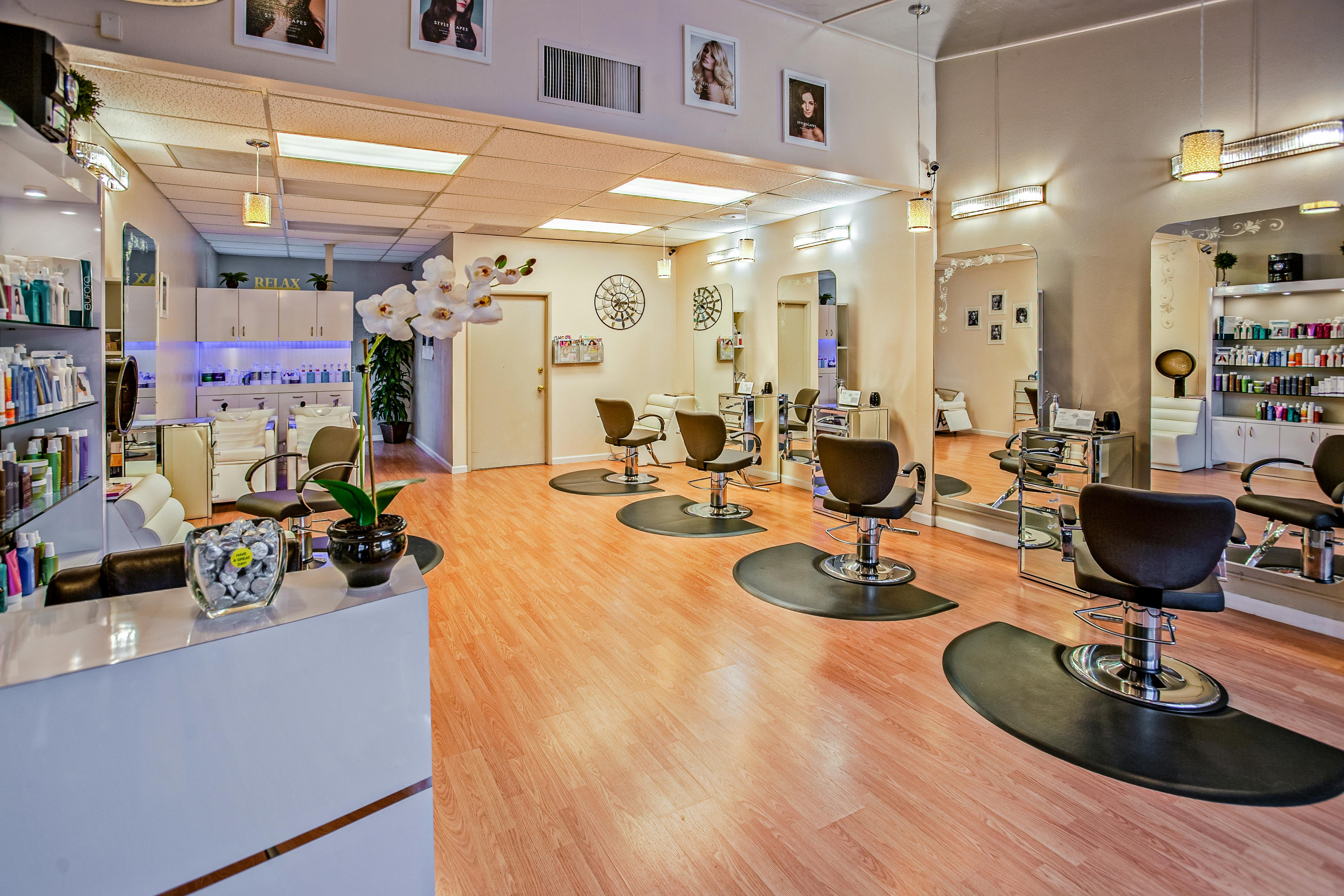
What’s Included in a Typical Suite?
You need to know what’s standard before you rent. Most suites include:
- Lockable door; 24/7 access
- Chair or basic station (verify details before signing)
- Storage, maybe cabinets/closet
- Utilities (water, electric, trash)
- WiFi and parking (varies by building)
- Reception area shared with other pros
You’ll supply your own tools, color inventory, and decor. Premium places might throw in extras—ask about move-in specials, business education, or guest services, but always confirm.
Why Privacy Matters and What It Does for Your Business
It’s not just comfort. Privacy gives you control. No more sharing sinks, missing foils, or clients overhearing others. For color work, this allows you to keep formulas secure. Lash and skincare clients pay more for relaxation and results. That lets you increase your prices to match.
Private suites also help you build your own brand. You decorate, set the vibe, and clients associate the experience directly with you—not with someone else’s business. You’re not just renting a chair anymore; you’re running everything behind the door.
Risks and Things to Watch Out For
Suites aren’t for everyone. Here’s the straight scoop:
- Fixed costs never go down. You pay rent whether you’re slammed or slow. If you have quiet weeks, it’s all on you.
- No built-in referral traffic. Unlike a busy salon, you’ll have to drive every client in yourself. Social and online marketing becomes a must.
- More solo work, less networking. If you thrive on teamwork or like to swap referrals behind the chair, suite life can feel isolating.
- Maintenance and supplies are your problem. Water slow, internet out, chair broken? In many cases, you handle it or wait for management support. Factor that in.
Salon Owner Math: The Real Cost of Empty Chairs
If you own a salon and have chairs sitting empty, it’s easy to ignore—but an unused booth typically loses you $400-800 every month. A 4-chair shop in Austin often charges $200-350/week for each spot. Two empty chairs? That’s $1,600/month lost. Listing empty space as a private suite or booth on Salon Renter can be a quick way to connect with credible renters and keep your revenue stream strong.
How to Choose the Right Suite (and What to Check First)
- Location and access: Does your client base live nearby? Is parking available? Visibility and safety are crucial.
- Included amenities: Utilities, furniture, WiFi—ask what’s truly covered. Anything missing adds to your bill.
- Price and lease length: Avoid lock-in unless you’re sure. Month-to-month is safest if you’re testing the waters.
- Move-in costs: Deposit, setup, possible fees—get the full number before you sign anything.
- Condition: Check the water pressure, lighting, and A/C. If these fail, it can ruin your day and your book.
Best Practices: Getting Set Up for Success
- Run your numbers first: Calculate three months of real income, supply costs, and marketing spend, then compare to suite pricing in your city. Only jump if the math works.
- Tour everything in-person: Never rent unseen. Spend time in the space. Talk to current renters. Open cabinets. Test WiFi speed on your phone.
- Negotiate move-in: Ask for any specials—free weeks, discounted first month, or reduced deposit. Many suite owners have deals, but only if you ask.
- Set up your booking and insurance: Before opening, register with beauty insurance and select a booking tool so you’re ready for Day 1.
- Market the change: Tell every client you’re moving. Share new details by text, email, or in person. If they hear the news last-minute, some won’t follow.
Step-by-Step: Transitioning to a Private Salon Suite
- Track your real income and current overhead for the past quarter.
- Research suite listings on Salon Renter in your target area—filter by price, amenities, and service type.
- Tour multiple options. Don’t stick with whoever answers first. Take photos, ask for a copy of the lease, and check the experience as a client would.
- Compare total monthly cost (rent, supplies, utilities, insurance) against your old commission pay plus costs.
- Negotiate with the owner; ask for a short-term agreement before committing long-term. Lock in the best deal.
- Move supplies, decorate, test your setup. Run a few services before your grand opening to troubleshoot.
- Let every client know early. Use texts, emails, and socials to announce your move and invite them to the new private experience.
FAQ: Private Salon Suite Rental
What’s the main difference between booth rental and a private suite?
A booth or chair rental is usually a small space on an open salon floor with other stylists. A private suite is a closed room with a door, your own storage, and no sharing with other pros.
How much does a private salon suite cost?
Costs range from around $400/month in smaller markets up to $2,500/month for luxury/high-demand areas. Most cities land between $800 and $1,500/month.
Should new stylists rent a private suite?
If you’re still building your book, a suite can be risky. The fixed rent never goes away, and new clients are harder to get without foot traffic. Most experts suggest waiting until you rebook around 20 clients a week.
What do I need to bring to my suite?
Your own tools, color/products, decor, and sometimes even your own chair. Most suites provide only the basics. Always ask for a detailed list before signing.
What if I need to break my lease?
Lease terms vary. Read the fine print. Some offer flexible month-to-month; others will charge for early exit. Always clarify before you sign.
What To Do Next
If you’re serious about ditching the commission split and taking control, check what’s available in your area with Salon Renter. Sign up free, filter by city, amenities, or budget, and contact owners directly to schedule tours. Keep a list, compare total rents, and don’t rush. If you’re also weighing the pros and cons of booth, chair, and suite options, our post, Booth Rental vs. Salon Suite vs. Chair Rental: Which One Actually Pays Off in 2026? gives a straightforward breakdown.
Private suites aren’t for everyone. Crunch your own numbers. Ask direct questions. If the math and lifestyle work out, this could be the best way forward for your independent business—behind the chair, on your own terms.
Ready to compare real listings now? Start with SalonRenter.com and see what your next chapter looks like, all in one place.


