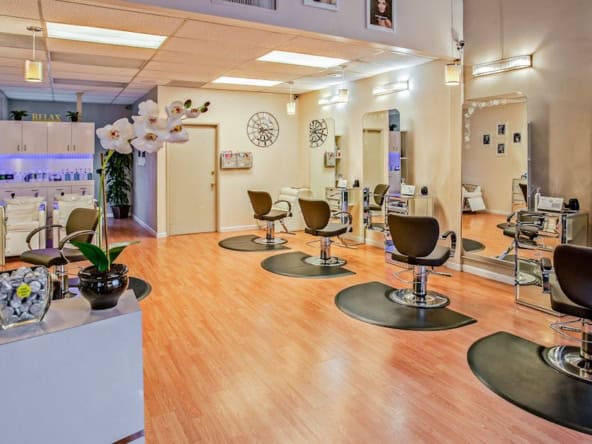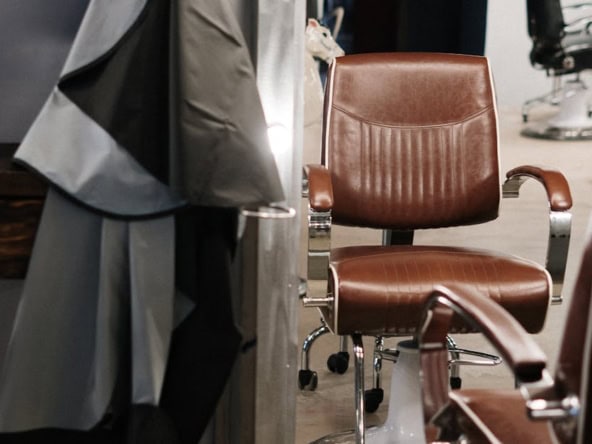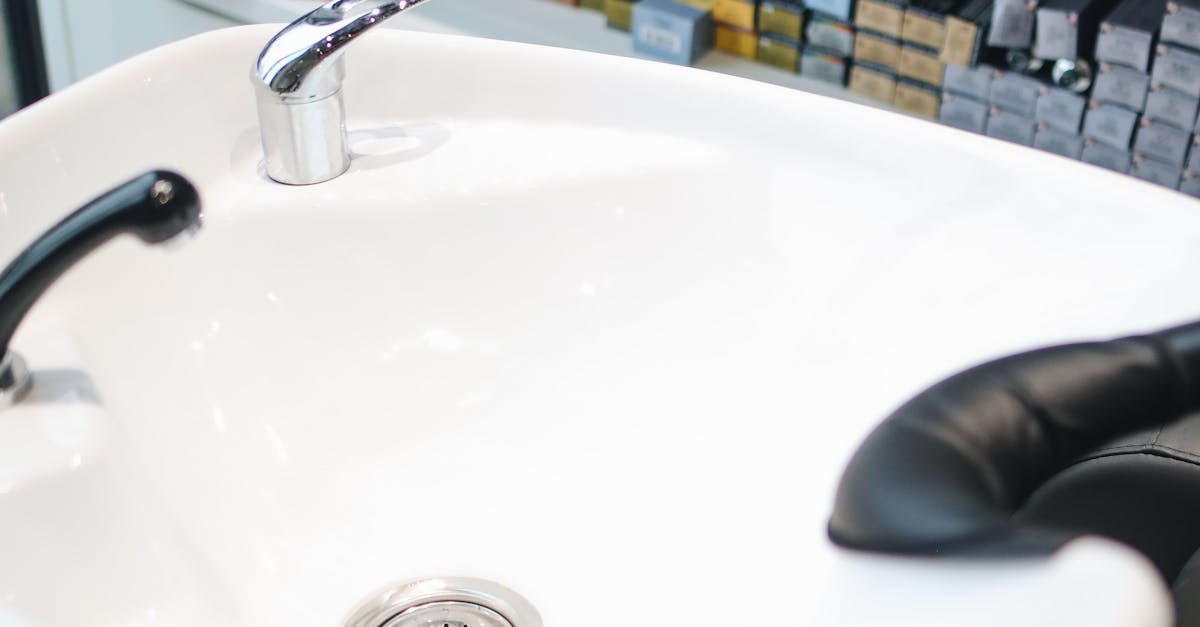
Empty chairs and underused stations kill salon profits fast. Just one empty station can cost a salon owner $400 to $800 a month in lost rental income. If you’re behind the chair and looking for a new booth rental, or if you own a salon trying to fill your spaces, don’t even tour a spot until you’ve checked plumbing, ventilation, power, and permits. A 4-chair salon in Austin, for example, usually charges $200 to $350 a week per booth. But sign the lease before you know what you’re getting, and you could lose more on repairs and downtime than you make in a whole month.
Why Plumbing, Ventilation, Power, and Permits Matter in Salon Rentals
Missing one of these four can kill a deal, or even shut a business down. Poor plumbing equals slow shampoos, hair and color clogging drains, and drippy sinks eating into water bills. If the air’s not moving, chemical smells build up behind the chair—I’m talking color, perms, gel nails—making it miserable for you and your clients and possibly breaking health codes. Too few or weak outlets? You risk tripping breakers with every blowout. And if permits aren’t right, inspectors can close the whole place overnight.
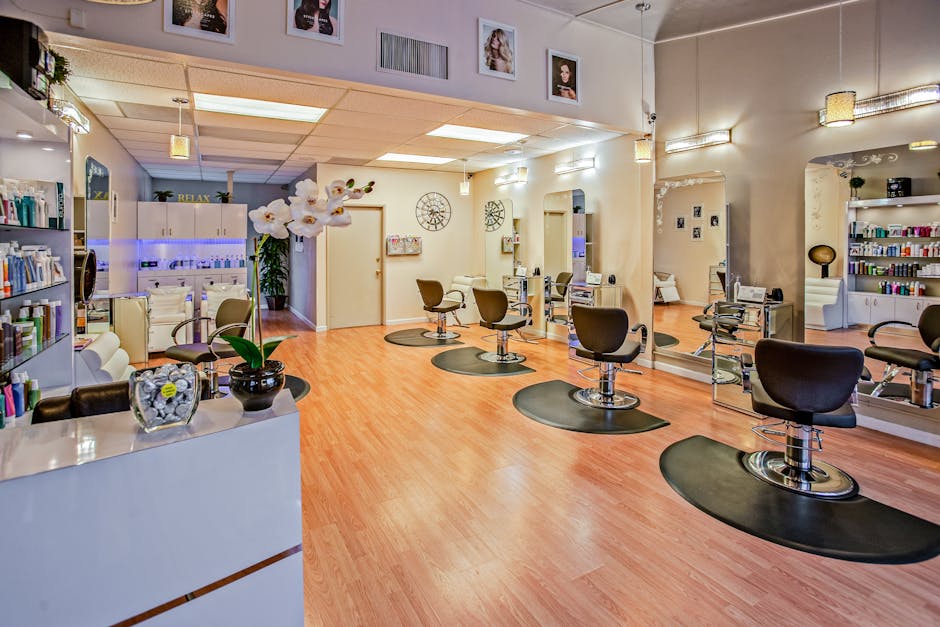
What to Look For: Step-By-Step Checklist Before You Tour
Plumbing: Test Water Flow and Drains
- Check shampoo bowl pressure: Hot and cold should be strong, no stuttering. A steady 40-60 PSI is best. Mix hot/cold in under 10 seconds—if it takes longer or water temp is wonky, get ready for angry guests in your chair.
- Run the sinks for 30 seconds: Drains should clear fast—under 10 seconds is a good rule. Slow drains signal buildup (hair, color, even wax) and you’ll be paying a plumber $200 or more to fix them yourself if the owner doesn’t take care of it.
- Look under the sink for a backflow preventer: This stops dirty water from getting into clean lines. No visible valve? Ask for proof. This is code in many cities.
- Ask about the water heater size and recovery: For several back-to-back color clients, you want at least a 50-gallon heater. If you run out of hot water in the middle of foils, you’re stuck. Most tanks take 15 minutes to reheat—a suite with less is not set up for full days behind the chair.
- Extra sinks for nail and skin pros: Nail and esthetician rooms should have their own hand sink to avoid cross-contamination. If there’s only one shared among everyone, rethink that lease.
Ventilation: Clear Air for Color, Acrylics, and Scents
- Turn on any exhaust fans: Hold a tissue up. Does it pull hard within 2 feet? Fans should turn the air over every 5-10 minutes—especially for color, gel nails, or lash services.
- Look at HVAC and filters: Grates should be clean, not dusty. Dirty filters ruin air quality and circulate all kinds of smells. Ask when the filters were last changed; every 3 months is ideal.
- Check for windows or exterior vents: Especially important for small suites or closed-off rooms. If you can’t open a window or there’s no direct outdoor airflow, chemical fumes will linger.
- Floor and ceiling vents: No blockages and easy-clean surfaces (mandatory for some state boards). A nail station on carpet is asking for trouble.
- Ask about carbon or HEPA filters: For heavy chemical use—think estheticians with strong serums or lash/brow tinting—ask for maintenance logs.
- Do the sniff test: If you smell last week’s perms as soon as you open the door, ventilation isn’t doing its job.
Power: Enough Electricity to Run More Than a Blow Dryer
- Count outlets per station: You want 6-8 per salon chair for hair tools. Stylists need at least 4 for dryers, irons, and clippers at the same time.
- Check breaker size: Each station should be on a 20-amp circuit. Use a plug-in outlet tester—most hardware stores sell these cheap. Look for GFCIs (the outlets with reset buttons) near any water.
- Look for USB ports: Most booth renters need to charge phones or tablets for appointments and payments. Two or more high-speed ports make things easier.
- Assess overhead lighting: Aim for 500 to 1000 lumens per stylist. You want even, neutral light, not yellow or flickering LEDs.
- Ask about using extension cords: Only use safe, owner-provided cords. Never daisy-chain two or more. This is an insurance and safety risk.
- Backup power: For bigger salons, ask about UPS backups for computer systems during outages. If your booking goes down, your schedule is shot for the day.
- Find out if power is included with rent: In major cities, utilities can add $50-100 a month to your expenses. Know ahead of time.

Permits: Legal and Code Compliance
- Request a copy of the business license: It should match the name and address. You can also look up the salon’s status via the state cosmetology board online.
- See a current health inspection certificate: Most are posted publicly and expire every year. If the last inspection was over a year ago or the owner can’t show it, be cautious.
- Confirm zoning approval: Space must be permitted for commercial beauty use—not a residential space converted without code. Ask the owner point-blank.
- Check fire safety features: Exit signs visible, fire extinguishers with up-to-date inspection tags, smoke alarms working, emergency exits clear. These are needed for compliance.
- Compare occupancy permit to salon setup: The number of stations should not exceed the occupancy permit. If it does, the business risks fines and forced closure.
What This Looks Like in Real Life
Let’s say you’re walking through a $250-a-week chair rental in Dallas. Shampoo bowl trickles, the drain’s backed up, and you don’t see a backflow valve. You stop the tour, keep your money, dodge a $2,000 plumbing fix. Next, you search Salon Renter and spot a new listing with full plumbing details and recent inspection posted in the photos. You lock in a tour. Less headache, more profit—one simple checklist can make or break your business.

Common Pushbacks—and How to Handle Them
- “Owner says it’s fine”: Test water, power, and airflow yourself on tour day. Bring a small plug-in outlet tester or a free flow meter app on your phone.
- “Build-out is included”: Get it in writing with specific scope—basic plumbing fixes often cost $2,000 or more, and you don’t want surprises after move-in.
- “Permits are coming soon”: Don’t sign or pay until you see proof. Some cities fine $500+ per violation for operating or subleasing without permits.
- “Rent is high for this area”: Always compare total annual costs—including utilities, downtime, and code fixes—not just sticker rent. A clean, legal space pays off with repeat clients and stress-free workdays.
Best Practices for Owners and Renters
- Salon owners: Walk your space before every tour. Post photos of sinks, fans, and outlets right on your listing.
- Renters: Bring your tools (dryer, clippers, extension cord) to check outlets and space size.
- Both sides: Use state and city checklists (many posted free online) to confirm every compliance box is ticked.
- Always ask for a written lease and an addendum stating who’s responsible for repairs to plumbing, electric, or ventilation systems.
- Search and compare new listings with full amenity and permit details before you even step foot inside.
What to Do Next: Tour Smart, Rent Fast
If you’re a beauty pro, start with Salon Renter. Filter by city, amenities (like plumbing and power), and see photos of actual stations and suites listed by owners. Create a free account to reach out and schedule tours, saving yourself time and money on the hunt. If you own a salon with empty chairs, list your space on Salon Renter and fill those empties starting at $39 for three months. Be transparent about your amenities and permits right in your listing—those spaces get scooped up first.
Want more info on what’s included in chair rental or booth rent? Check out our full breakdown here: Salon Chair Rental vs Booth Rent: What You Actually Get and What You Still Pay For.
FAQ: Salon Space for Rent – What Beauty Pros and Owners Should Know
What’s the average price for booth or chair rental in major cities?
In Austin, a 4-chair salon typically charges $200 to $350 per week per station. Dallas runs about $250/week for prime locations. These numbers change by city, so always check current listings on Salon Renter.
Why are plumbing and ventilation so important for salon spaces?
Bad plumbing causes slowdowns and damages your reputation with clients. Poor ventilation makes the air tough to breathe—especially with color, perms, and gel nails—and can violate local health codes.
How do I verify if a salon has proper permits?
Ask the owner to show current health inspection certificates and business licenses. You can also search your state cosmetology board’s website to confirm. If documents are unavailable or expired, walk away.
Can I bring my own tools to test a station before renting?
Yes, that’s a best practice. Bring your blow dryer, clippers, and a plug-in tester to check outlets and power strength.
Does Salon Renter show plumbing, ventilation, and permit details in listings?
Yes, many listings on Salon Renter include photos and notes on amenities, plumbing, ventilation, and compliance. You can filter spaces and ask owners specific questions before scheduling a tour.
What if the owner promises to fix an issue after I sign?
Get all agreements in writing and add them as a lease addendum. Verbal promises mean very little if something big goes wrong later.
Finding the right station or renter is about getting the facts before you walk through the door. Stick to this checklist, and use trusted tools like Salon Renter to compare listings and reach more serious beauty pros and owners. That’s how you stay profitable behind the chair.