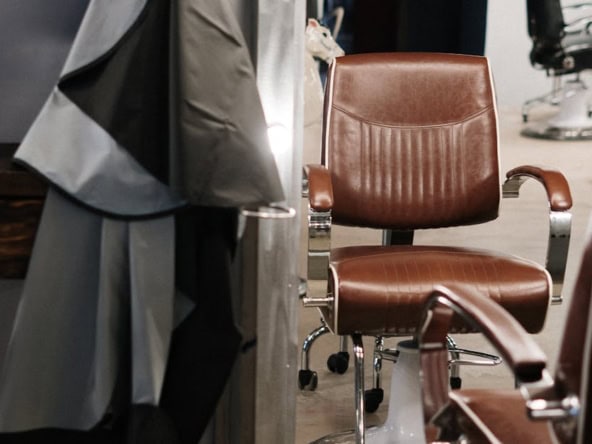
Empty salon chairs cost you money. If a 4-chair shop in Austin sits on two vacant booths, that’s $1,600 to $2,800 flushed per month—every single month those stations stay empty, you lose out. If you’re a stylist thinking about booth rent, the wrong agreement can trap you with bad hours or hidden fees. For owners, a loose rental deal means missed rent and chaos in your own shop. That’s why you have to break down every part of a booth rental agreement before you sign.
What Is a Salon Booth Rental Agreement?
A salon booth rental agreement is a contract that lays out who rents which chair or station, for how long, how much rent is, and what rules the renter follows. It keeps both owners and renters protected by putting everything in writing—from rent amount to shop policies to who handles repairs. Sites like Salon Renter make it easy for both sides to connect, but a clean agreement is still what keeps you out of trouble behind the chair.
Breaking Down the Key Items to Negotiate
1. Names, Space Details, and Access
- Put the full legal names and best phone and email for both sides—no nicknames, real contact.
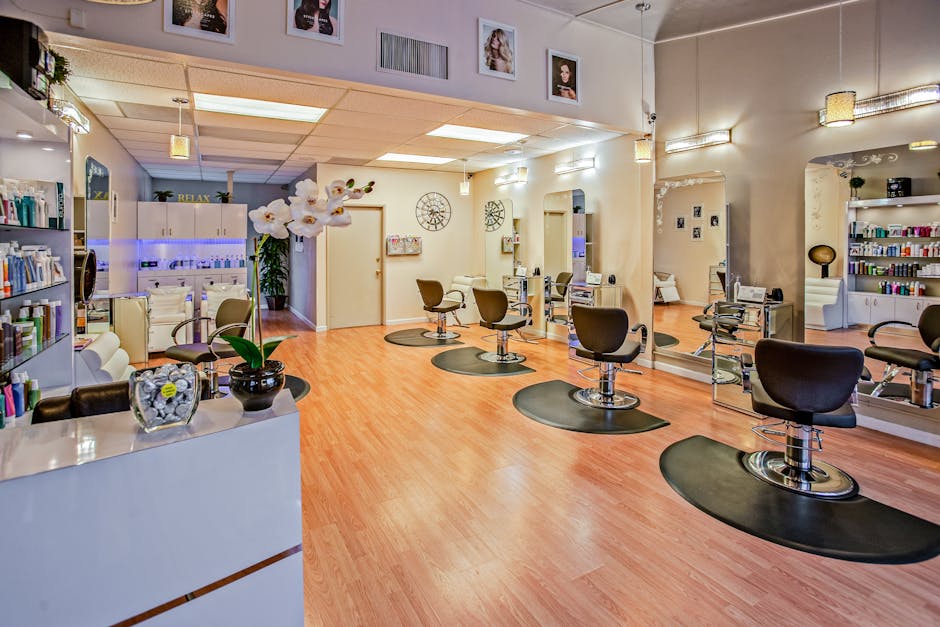
- Describe exactly which chair, booth, or suite is for rent. Write down the size (like 8×10 feet), which part of the salon, and what’s included (chair, mirror, storage, etc.).
- Access: Be clear if you get to use the break room, laundry, retail space, or backbar.
- Decide if you can bring your own shelves, lights, or change the décor.
Example: One stylist in Miami had to wait three months after signing because storage use wasn’t spelled out. Don’t risk it—spell out every shared amenity.
2. Rent, Security Deposit, and Payment Rules
- Typical weekly booth rent:
| City Example | Average Weekly Booth Rent | Monthly Equivalent |
|---|---|---|
| Austin, TX | $200-$350 | $800-$1,400 |
| Denver, CO | $150-$250 | $600-$1,000 |
| Los Angeles, CA | $300-$500 | $1,200-$2,000 |
- Some shops offer commission-based rent—like you pay 40% of services after a set base fee.
- State your due date (for example, every Monday by 10 a.m.), your payment method (cash, Venmo, bank transfer), and late fee (commonly $25 after 3 days), and if partial weeks are prorated.
- Pushing for no more than one month’s rent as a deposit is normal. Get a written receipt for deposits.
- Owners: To fill a vacant station, consider one week rent-free for signed renters. It gets your chair filled and income started faster.
3. Lease Term, Renewal, and Exit Rules
- Common terms: week-to-week, month-to-month, or fixed 6–12 months. A month-to-month gives max flexibility (best for renters), but owners often prefer longer terms for stability. Both have risk: turnover for owners, less flexibility for renters.
- Notice period: 10–30 days’ written notice to end or not renew. Make it clear.
- Early exit fees: Many agreements set a penalty (like one month’s rent) for leaving early. Always get it in writing and try to “cap” exit fees to avoid surprises.
- Sublets and replacements: Some barbers want the option to hand off their booth to a friend if business dries up. If you want this, put it in now—most owners want power to approve replacements.
4. Utilities, Supplies, and Who Pays What
- Big-ticket utilities (water, electricity) are usually covered by owners, but clarify if extreme usage means you pay extra.
- Break down all shared amenities—does your station get WiFi, towels, laundry, backbar, or just a chair?
- Extra fees: Is there a fixed monthly utility fee (common: $50/month) or are you responsible for supplies? Usually, each stylist stocks their own color, tools, towels; some owners cover cleaning supplies.
- Repairs: You break it, you fix it (station or personal gear). If the A/C or plumbing fails, usually the owner covers building-wide repairs.
Estheticians should check if booths include sinks, steamers, or special outlets—they’re often left out by default.

5. Salon Rules: Hours, Licensing, and Shop Etiquette
- Hours: Some salons are 24/7 access, but most set hours (like 9am–7pm). Make sure it fits your client needs.
- No subletting rules: Only you work the station unless pre-approved—owners want control.
- Cleanliness and state law: Most states require daily wipe-downs and no sharing dirty tools. Your agreement should reference this directly.
- Client conduct rules: Spell out policies for late/no-show clients, waiting areas, and shop behavior (music, food, pets, etc.).
- Non-compete: Owners sometimes try to prevent you working nearby after leaving. These are hard to enforce, but watch for them and negotiate if you want flexibility.
6. Insurance and Liability
- Owners should carry building insurance, but each renter is expected to have their own liability coverage for clients—especially for color, blades, or lash adhesive.
- Many renters join professional beauty associations for cheap insurance. Salon Renter partners with discount insurance providers for this exact reason.
7. Disputes and Legal Stuff
- Say which state law applies—Texas for Austin, California for LA, and so on. This keeps court and mediation issues local.
- Settle disagreements first by mediation if possible to save legal costs. State that written notice should be given for disputes.
- Auto-renewal: Most booth agreements roll over unless 30 days’ notice is given. Make a reminder in your phone.
Main Objections and How to Address Them
- For Owners: “I can’t keep my chairs full; booth renters just leave.” Counter this with longer terms and offer incentives for renewal through tools like Salon Renter, which gives access to over 12,000 renter profiles and direct communication to fill chairs faster.
- For Renters: “What if I lose my spot when the salon gets busy?” Always lock in your specific station and spell out what happens if station changes are needed.
- For Both Sides: “How do I prevent payment issues?” Owners can set up autopay or require deposits. Renters should get receipts for every payment and push for digital options that leave a paper trail.

Real Scenario: What Happens Without Clarity
A nail tech in Phoenix signed a basic $800/month deal but no one said who paid for WiFi or utilities. When bills came in, the disagreement cost her two weeks of lost appointments (missed income). After renegotiating, she settled on $50/mo flat utility, WiFi included, and a month-to-month lease to stay flexible. Over six months, this saved her $500 and let her keep her spot without more chaos.
Step-by-Step Framework for Renters and Owners
- Define every detail: Put it all in writing (names, chair or station #, hours, included equipment, shared amenities).
- Agree on price, term, and deposits: Be clear about when rent is due, frequency (weekly/monthly), and any upfront required deposit.
- Review all extras: Utilities, cleaning rules, who replaces a broken hair dryer, who handles A/C repairs, and what’s counted as “shared” vs. “renter only” stuff.
- Sort out rules and shop policies: State licensing, hours, retail sales split (a typical split is 60/40 in favor of the stylist), cancellation or late/no-show penalties for clients.
- State how to get out: Written notice rules (10–30 days), early exit fees, and subletting policies.
- Consider insurance coverage: Renter gets professional liability; owners get business/space liability.
- Run it by a local attorney: Expect $200–$300; worth it to avoid thousands in disputes.
- Find the right match: Use platforms like Salon Renter to compare listings by price, amenities, and owner responsiveness. See our deep-dive on how to compare suite options before you sign.
Best Practices for Both Sides
- Always use a written booth or chair rental agreement—verbal deals cause the most headaches when things go bad.
- Get all payments and major communications in writing (text or email is fine for day-to-day).
- Set a reminder for when notice must be given if planning to leave or raise rent.
- Owners, fill those chairs fast: Every week a booth sits empty costs you $200–$500. List your salon booth where renters are searching daily.
- Renters, check for hot amenities: WiFi, towel service, or special equipment (like esthetician sinks). Don’t assume—they’re often missing unless you negotiate.
If you want more detail on the technical side of salon space, read our Salon Space for Rent Checklist about crucial things to check before your tour.
What to Do Next
- If you’re ready to write your deal, grab a booth rental template and fill in real numbers—most basic deals can be reviewed by an attorney for $200–$300.
- Keep your interests protected: push for clear rules on deposit, exit, and what’s included.
- To find or list hot booth and chair rentals with honest owners and real-time contact, go to Salon Renter—that’s where over 12,000 stylists and owners have connected and locked in real agreements that work for both sides.
Frequently Asked Questions: Booth Rental Agreement Issues
- How much should I expect to pay for booth rent in the U.S.?
- Depending on your city and salon amenities, typical rates run $150–$500 per week. For example, Austin, TX averages $200–$350/week per booth; in LA, $300–$500/week. Always compare by location and included features.
- What’s usually included in booth or chair rental?
- A basic station (chair, mirror, storage). Shared amenities like laundry, towels, WiFi, or color bar are sometimes included, but not always—double-check your agreement.
- How do I protect myself from sudden eviction or rate hikes?
- Call out in writing how much notice is needed for a rent increase (usually 30 days) or if you’ll be required to leave. Lock in your specific chair or station—don’t sign if the owner can move you without notice.
- Is commission or flat rent a better option?
- Flat rate is simpler for renters who book steady business. Commission (like 40% of services) is better for new stylists without regulars, but watch for surprise add-ons. Our blog breaks down the differences in detail.
- What insurance do I need to rent a booth?
- You need personal liability insurance for your services; owners need separate business insurance. Platforms like Salon Renter partner with vetted providers for fast quotes.
- What happens if I need to leave early?
- Most agreements require 10–30 days’ notice. Some owners charge an early exit fee, capped at a month’s rent. Always check before signing.
- How fast can I fill my open booth or find a chair?
- If you post on Salon Renter, you reach a nationwide pool of renters and owners and often fill a booth within weeks—not months. Direct messaging, scheduling tours, and fast replies are built in.
Wrapping Up: Don’t Get Trapped—Negotiate Smart
Salon booth rental agreements separate the pros from the amateurs, for both owners and renters. Every detail you lock down in writing today prevents arguments later. Think about space, rent, utilities, deposit, term, hours, shop policies, and what to do if either side wants out. If you want no-hassle listing or want to compare thousands of stations and suites side-by-side, Salon Renter is where beauty pros and salon owners connect every day. Find your next chair or get that empty station filled—the right agreement means nobody gets burned and the business keeps rolling.